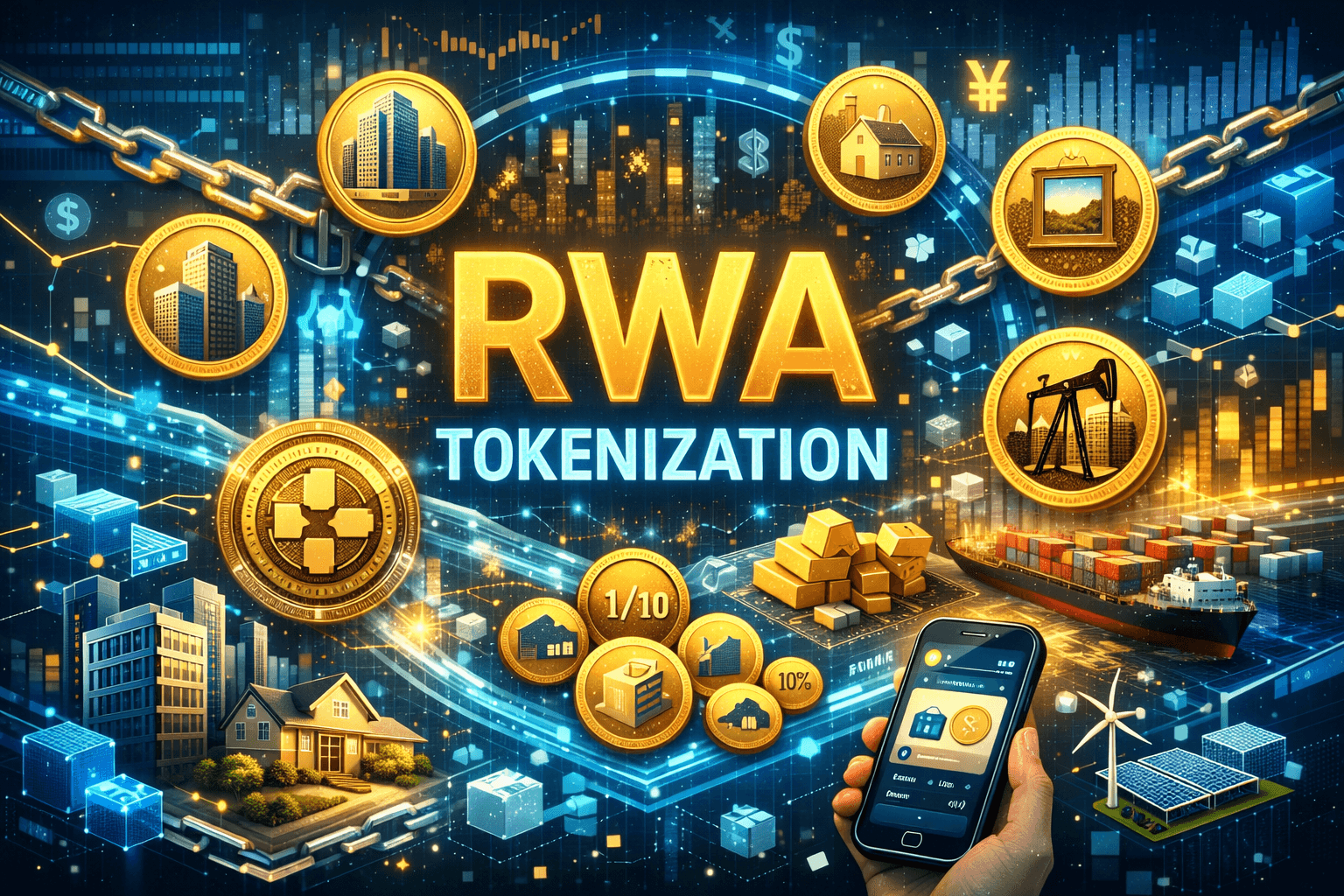
Real-world asset (RWA) tokenization converts ownership or cash-flow rights into on-chain tokens. A strong implementation blends legal enforceability, custody, compliance, and reliable on-chain operations so investors can trust the asset behind the token.
What is RWA Tokenization?
RWA tokenization represents real assets such as property, invoices, commodities, or private credit as digital tokens. The tokens can represent ownership, fractional rights, or revenue participation, typically backed by an off-chain legal structure.
Common Use Cases
- Real estate SPVs with fractional investor units
- Invoice financing and trade receivables
- Private credit funds with yield distribution
- Commodities or carbon credits with audited custody
Legal Structure
Start with an enforceable wrapper: SPV, trust, or fund entity that holds the asset. Define how token holders map to economic rights, voting, or redemption terms.
- Define asset ownership and investor rights
- Draft offering documents and disclosures
- Confirm jurisdiction and regulatory obligations
Custody and Proof of Ownership
Custody is the trust anchor. Use regulated custodians or audited escrow arrangements, and publish periodic proof-of-reserve or valuation reports that reference the on-chain tokens.
Token Design
Design tokens to reflect the economic model: fixed supply for single assets, rebasing for yield products, or multi-class tokens for senior and junior tranches.
- Define token standard and transfer restrictions
- Set rules for mint, burn, and redemption
- Align metadata with legal documents
Issuance and Distribution
Issuance is typically gated. Use allowlists or on-chain compliance to restrict transfers to verified investors and align with offering rules.
const issuanceConfig = {
  whitelist: "kyc-verified",
  transferRules: ["non-us", "accredited-only"],
  redemptionWindow: "monthly",
};
Compliance and KYC
KYC/AML checks should be integrated into onboarding. Track investor suitability, sanctions screening, and jurisdiction rules. Maintain audit logs for regulators and counterparties.
Lifecycle Operations
After launch, keep operations tight. Automate reporting, update valuations, distribute yields, and support redemptions or secondary trading with compliance gates.
- Publish NAV or valuation updates
- Distribute yield via on-chain or off-chain rails
- Handle redemptions with clear timelines
Suggested Tech Stack
- Smart contracts for issuance, transfer rules, and redemption
- Investor portal with identity verification
- Custody provider integrations and audit trails
- Analytics dashboards for performance and reporting
FAQs
Do I need a regulated custodian? It depends on asset type and jurisdiction, but a regulated custodian improves trust and compliance.
Can tokens be traded freely? Typically not. Transfer restrictions are common to comply with securities rules and investor suitability.
What about valuations? Use a clear valuation policy, publish updates, and align with the offering documents to keep token price expectations consistent.
Need Help?
Need a partner for structuring, smart contracts, or investor portals? Ourblockchain team can help map the full RWA lifecycle.